Home

Main navigation

  • Home
User account menu
  • Français
  • Log in
  • Register

Breadcrumb

  1. Home
  2. Great Lakes Photo Showcase : Research, Education and Science

Great Lakes Photo Showcase 

The International Joint Commission (IJC) works to engage and educate people on the issues that shape Great Lakes water quality. To support this work, the IJC is seeking photos from around the Great Lakes showing the countless ways that people interact with the Great Lakes.

Submitting photos: Entries are accepted on an ongoing basis (up to six (6) photos per person). Public voting begins in early 2026. Winners will be contacted via email.

Cast Your Vote: Research, Education and Science

How voting works: Browse the gallery and tap the Like button to cast your vote. You may vote for as many photos as you wish, but only once per photo.

View the galleries for the other categories:

  • Recreation →
  • Great Lakes Water in Action →

What’s next: Winning photos will be featured in a post card series, on the IJC’s homepage and on our social media platforms. Photos will also be incorporated into the IJC’s upcoming assessment report on Great Lakes water quality.
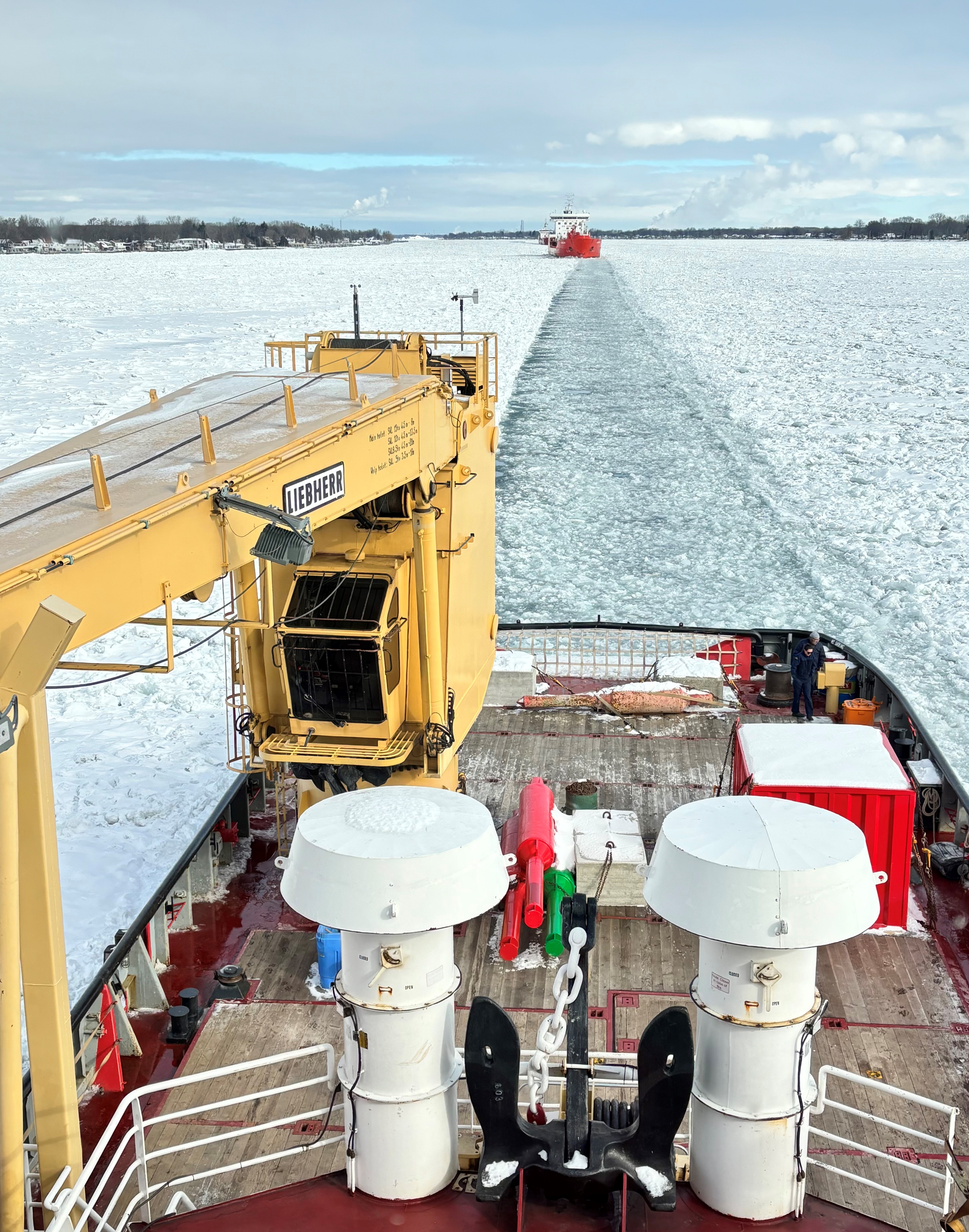
The CCGS Samuel Risley breaking ice for the Algoluna on the St. Clair River during maximum ice extent of February 2025. St. Clair River - Algonac, Michigan. Research, Science, and Education. Joseph Gentile.
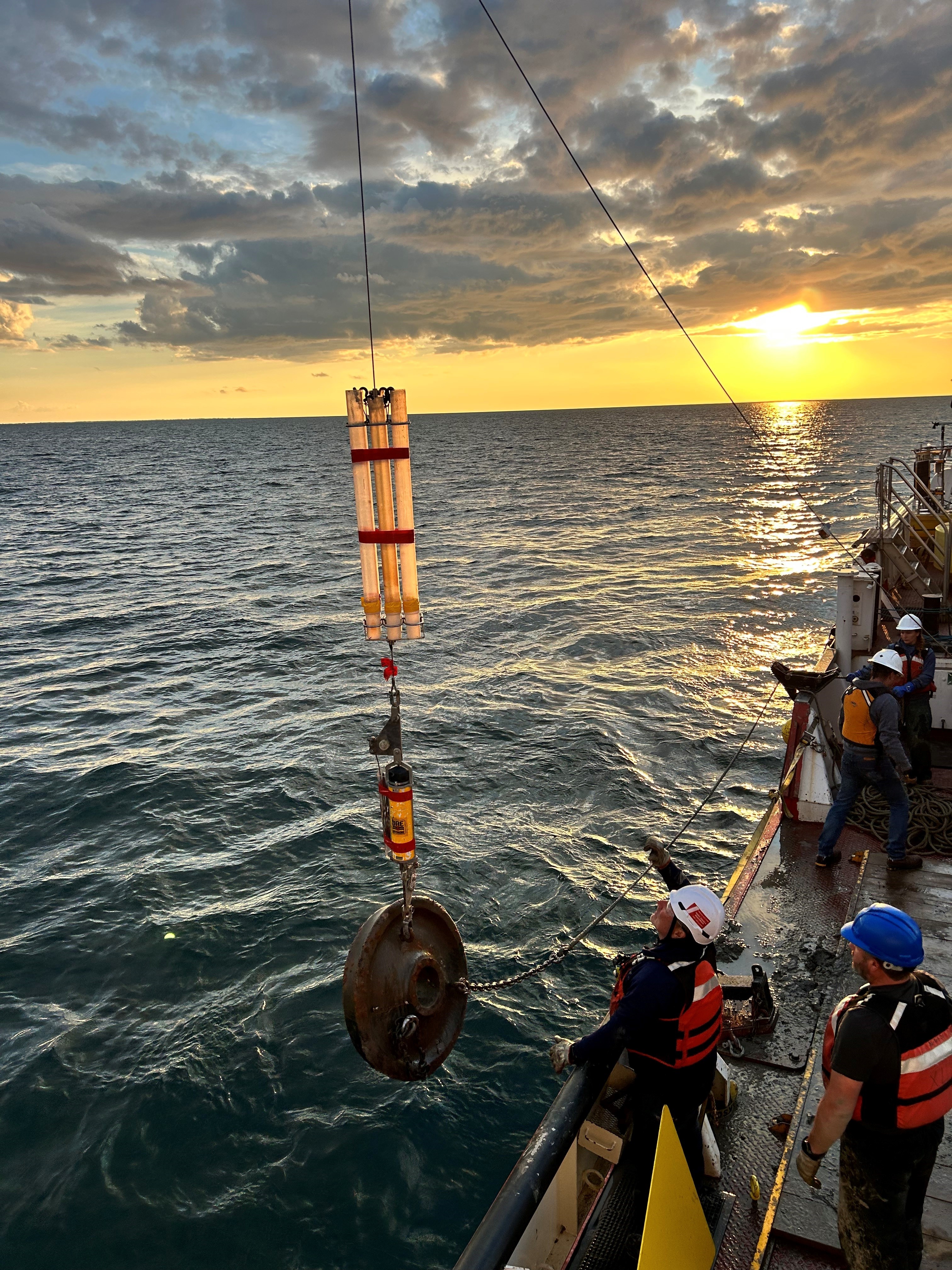
A team of Environment and Climate Change Canada scientists deploying passive sediment sampling devices (traps) in the middle of Lake Erie aboard the CCGS Limnos. Lake Erie - the deep hole, Ontario. Research, Science, and Education. Joseph Gentile.
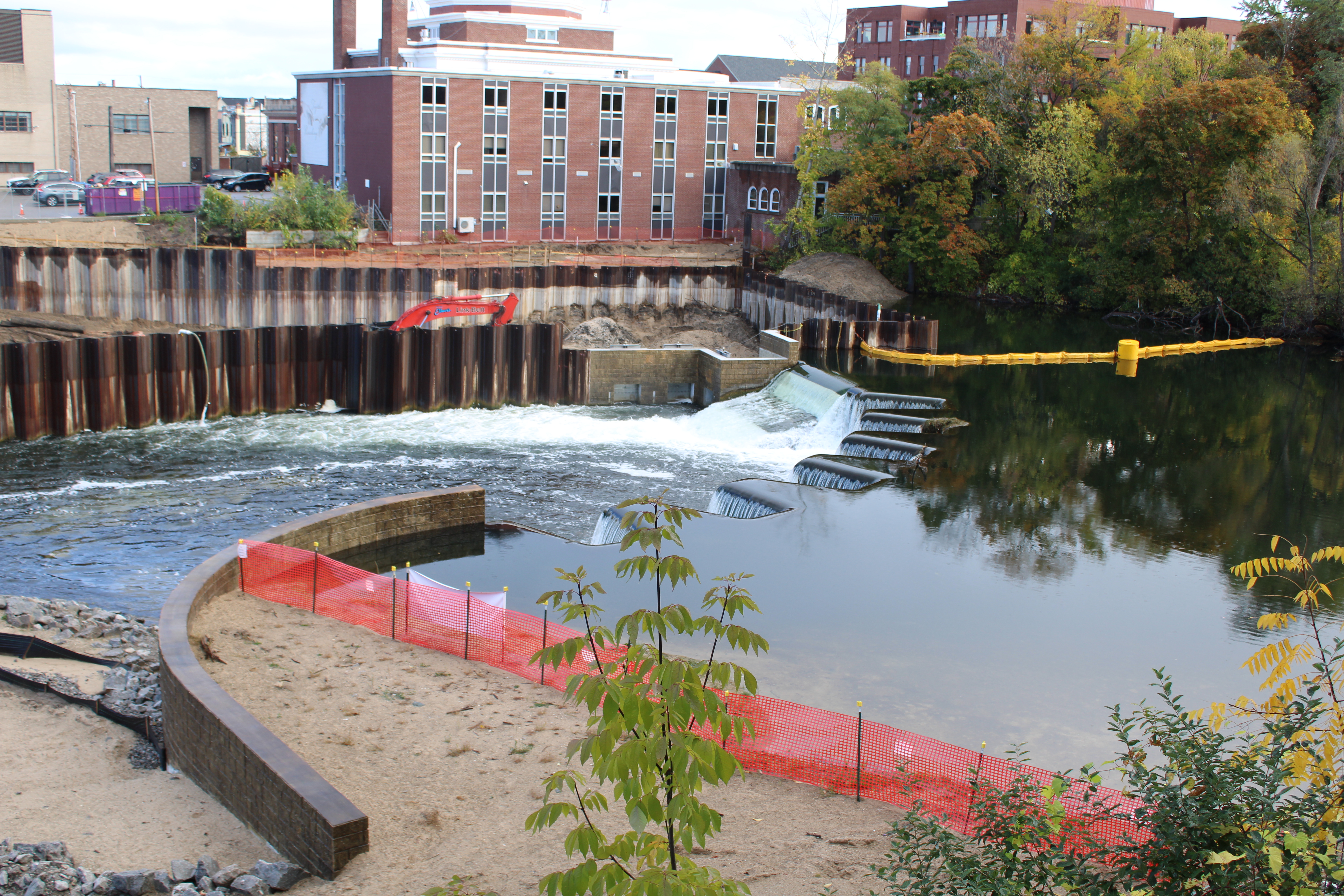
Fish Pass construction area to block invasive species but allow desirable fish up the Boardman River. Traverse City, Michigan. Research, Science and Education. Nick Longo.
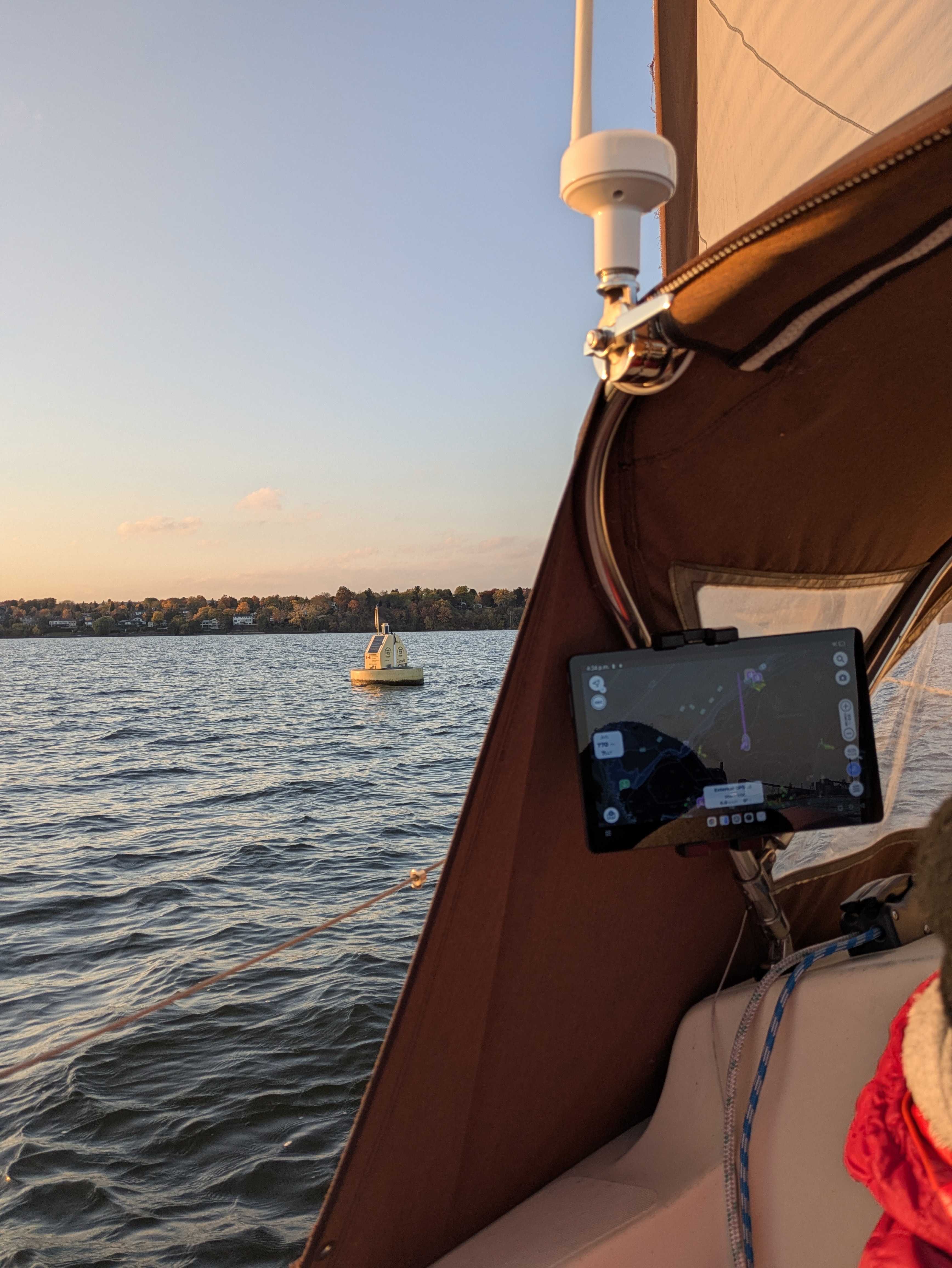
Environment Canada research buoy in Hamilton Harbour. Hamilton, Ontario. Research, Education and Science. Loren King.
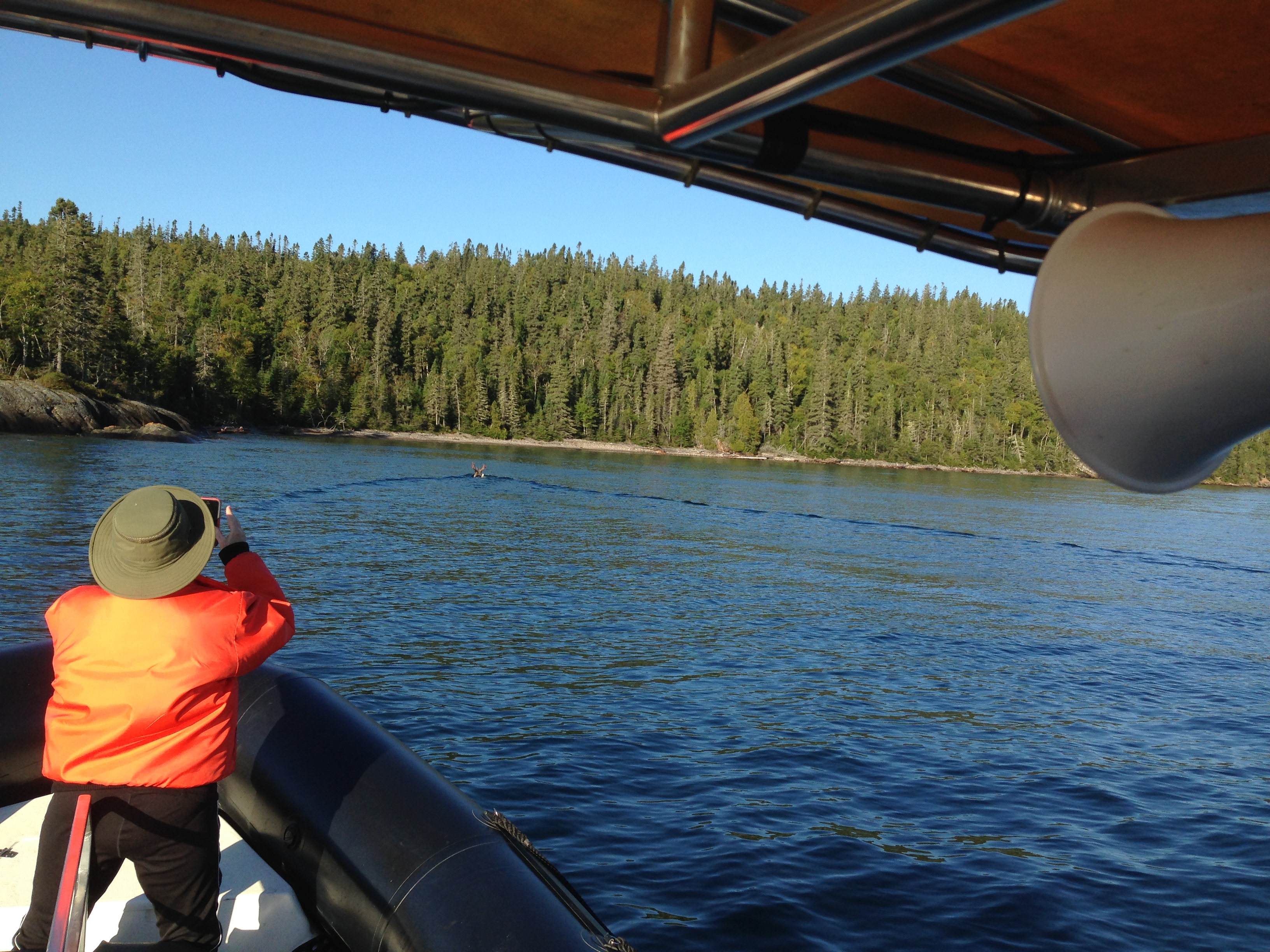
Tracking Caribou, swimming in the water on migration roots. Slate Island out of Terrace Bay, Ontario. Research, Education, and Science. Paul Turpin.
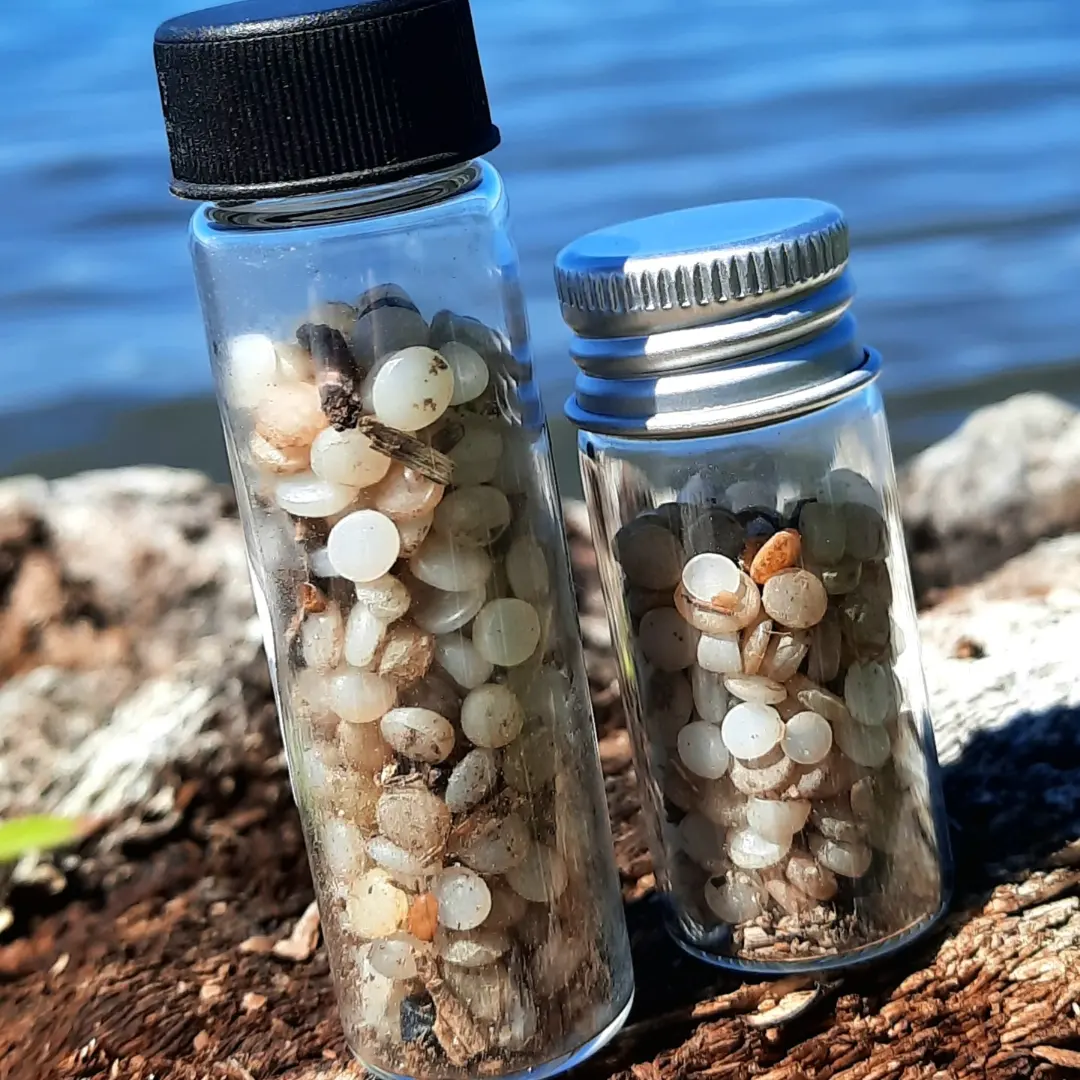
Nurdles collected along the Niagara River shoreline in North Tonawanda, New York. Every nurdle collected and reported to the Nurdle Patrol organization’s global database protects the shoreline and aquatic life and is used to advocate for plastic-pellet-free waterways. North Tonawanda, New York. Research, Education, and Science. Elizabeth Oldfield.
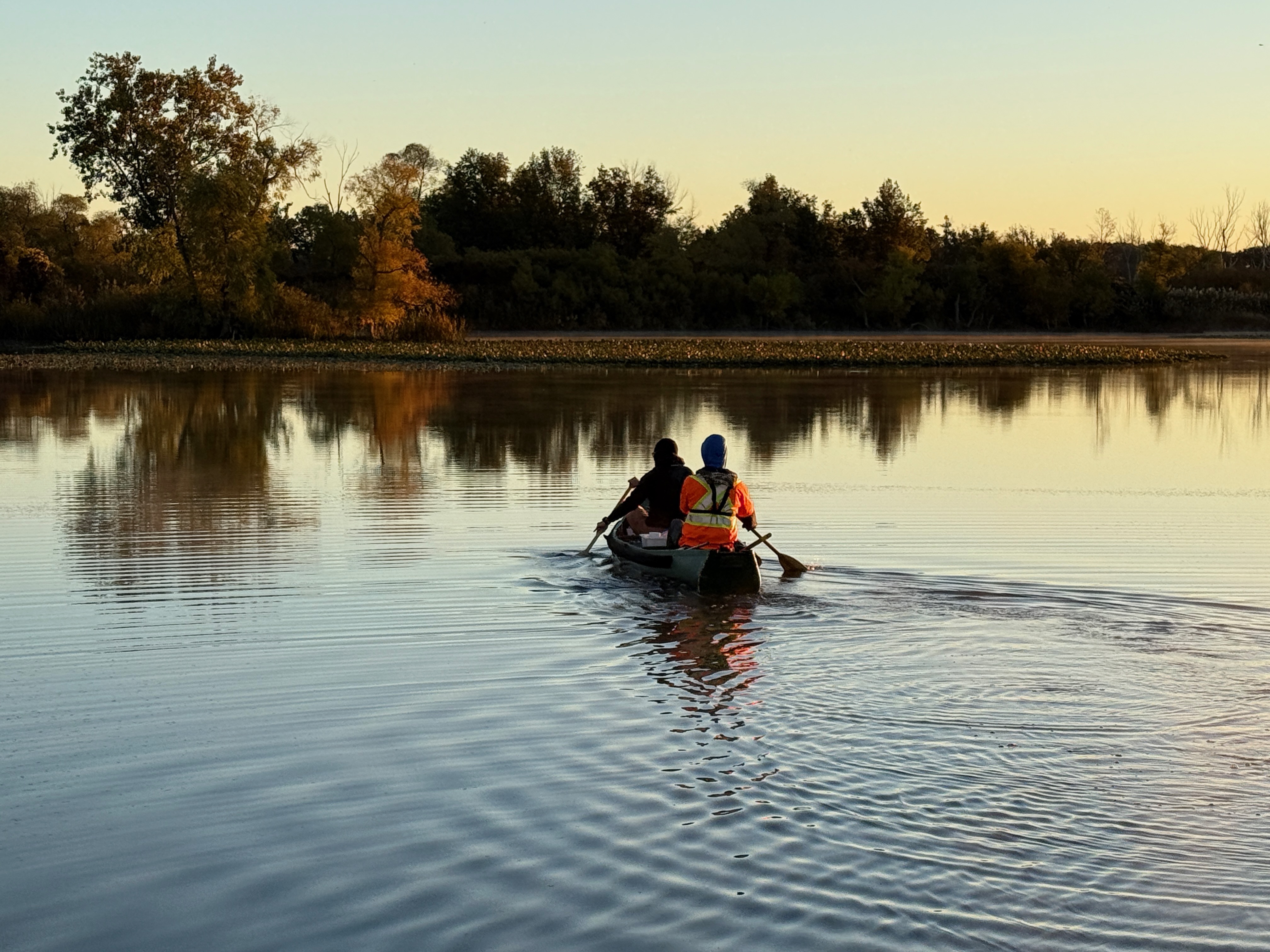
Two people in canoe heading out to collect samples. Leamington, Ontario. Research, Education & Science. Kayla Martin.
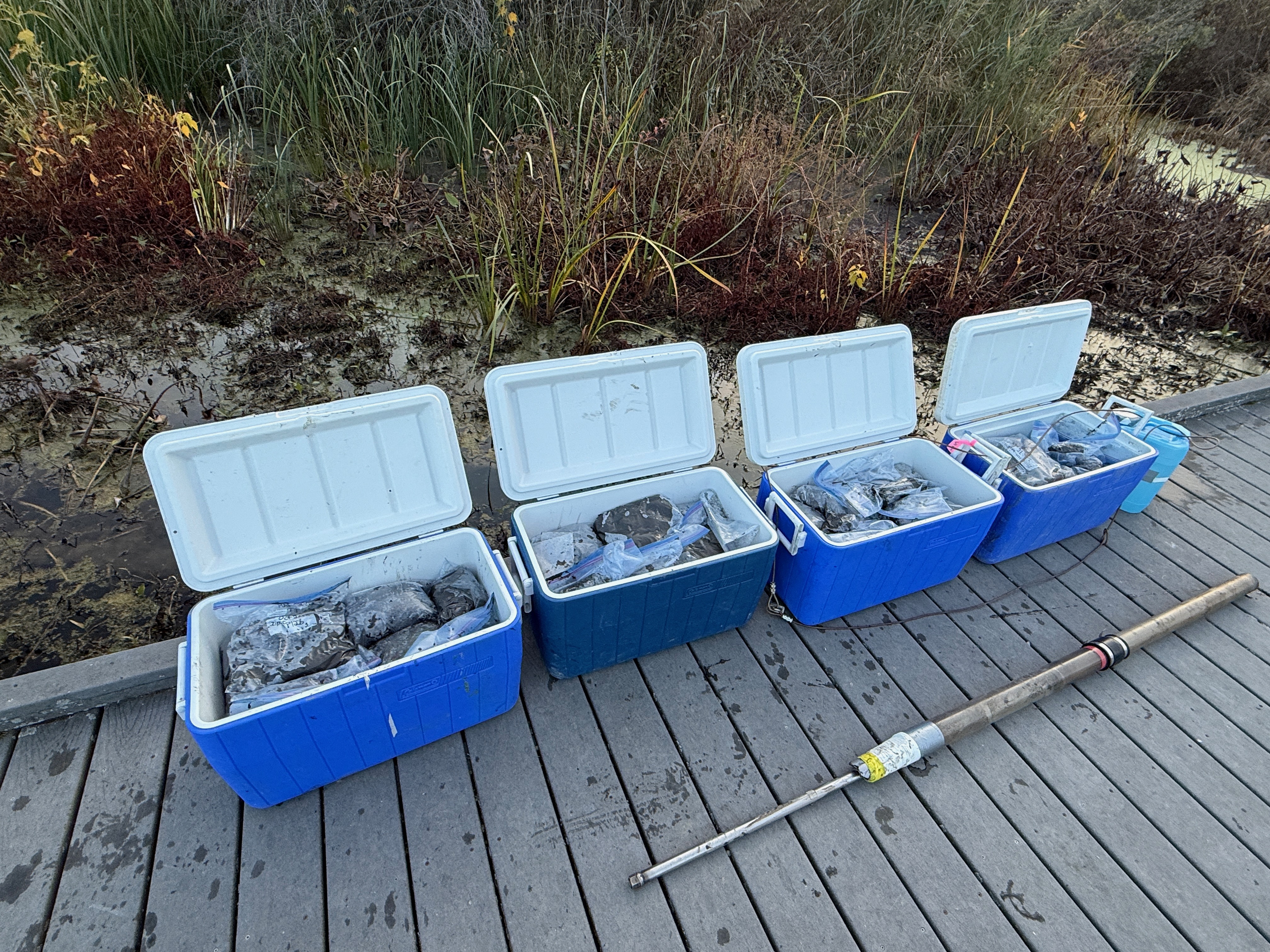
Sediment samples collected for research from Hillman Marsh. Leamington, Ontario. Research, Education & Science. Kayla Martin.
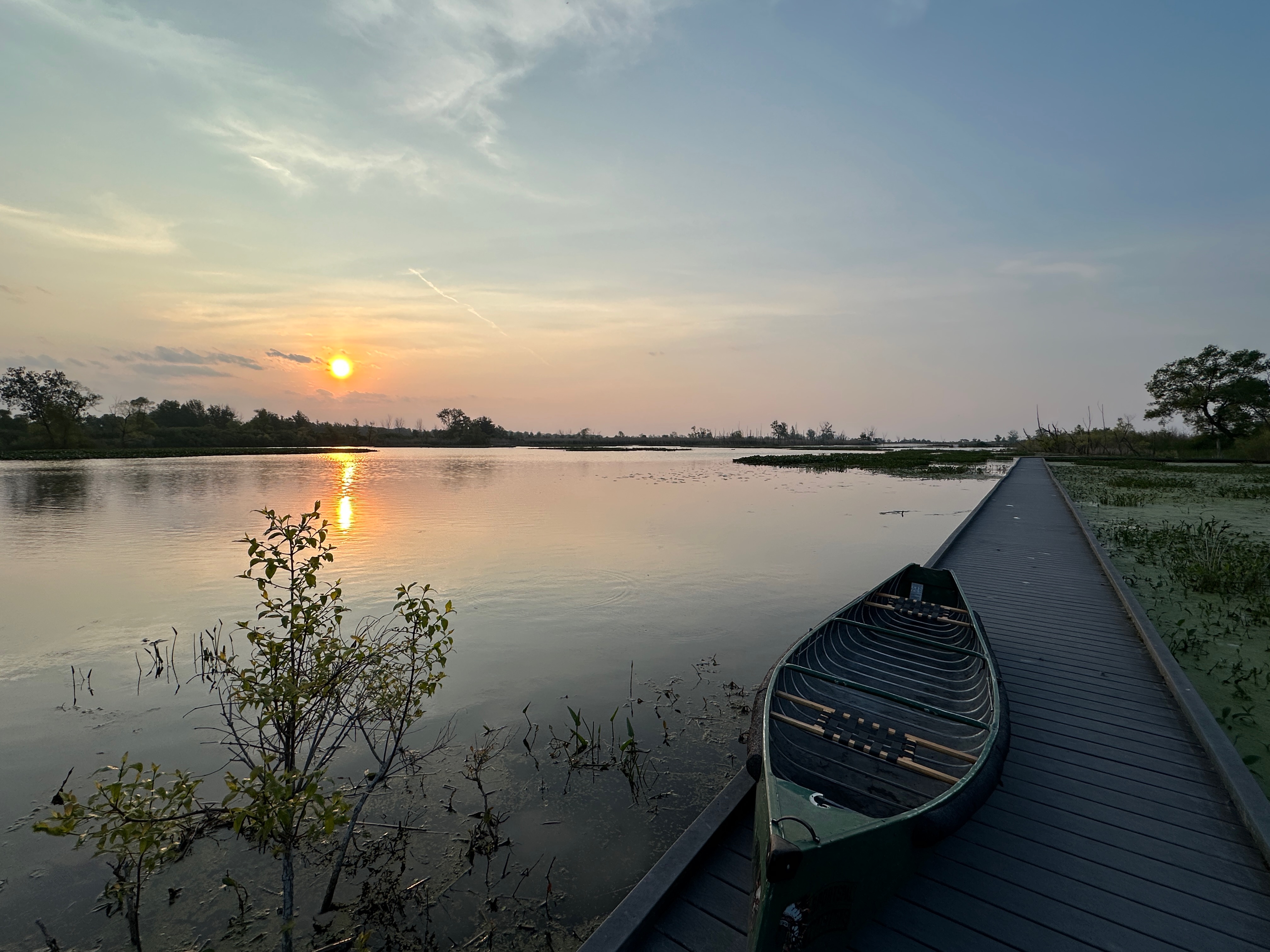
Early morning start for sample collection in Hillman Marsh. Leamington, Ontario. Research, Education & Science. Kayla Martin.
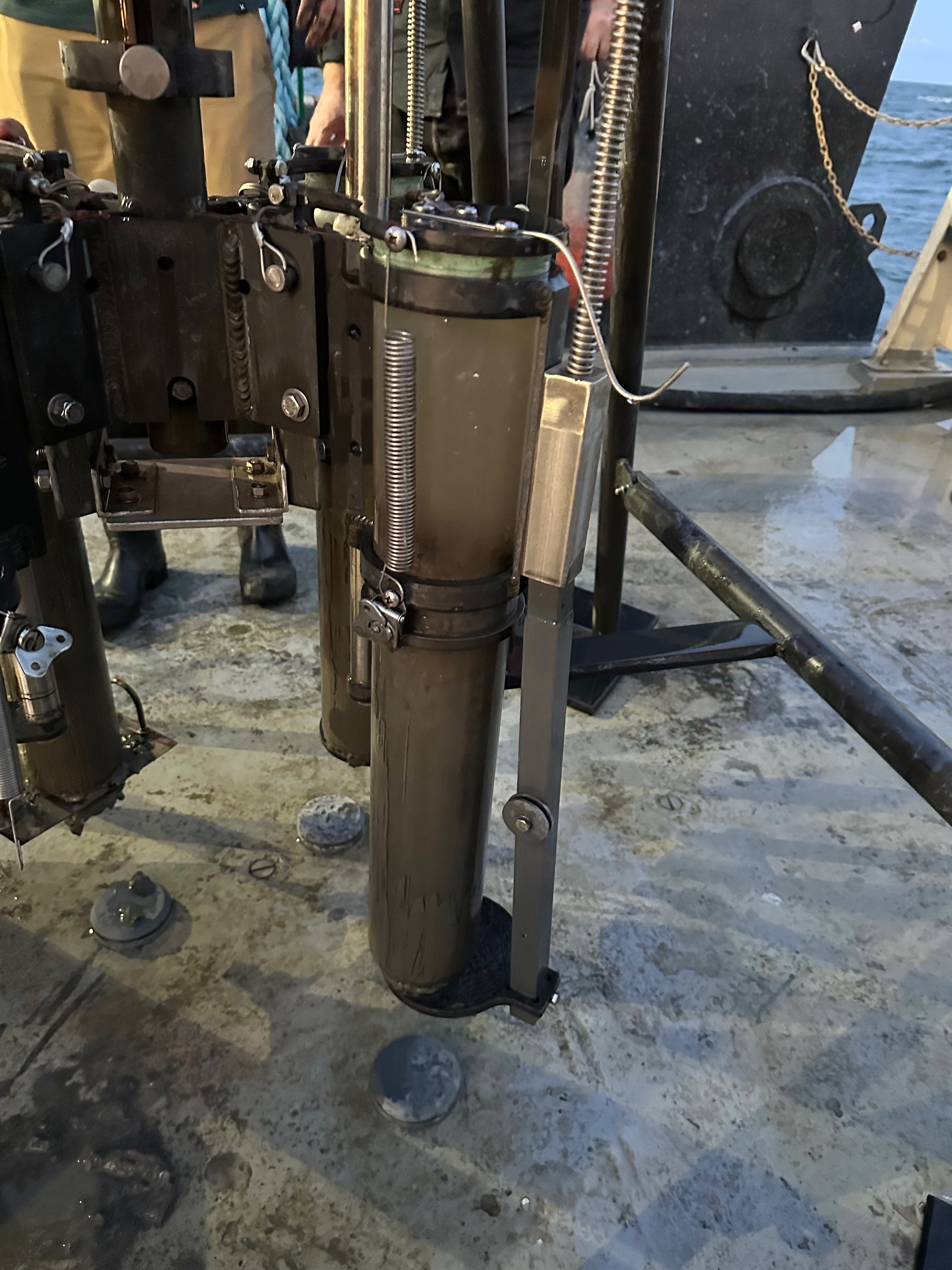
Sediment core collected for microplastic and phosphorus analysis. Long Point, Ontario. Research, Education & Science. Kayla Martin.
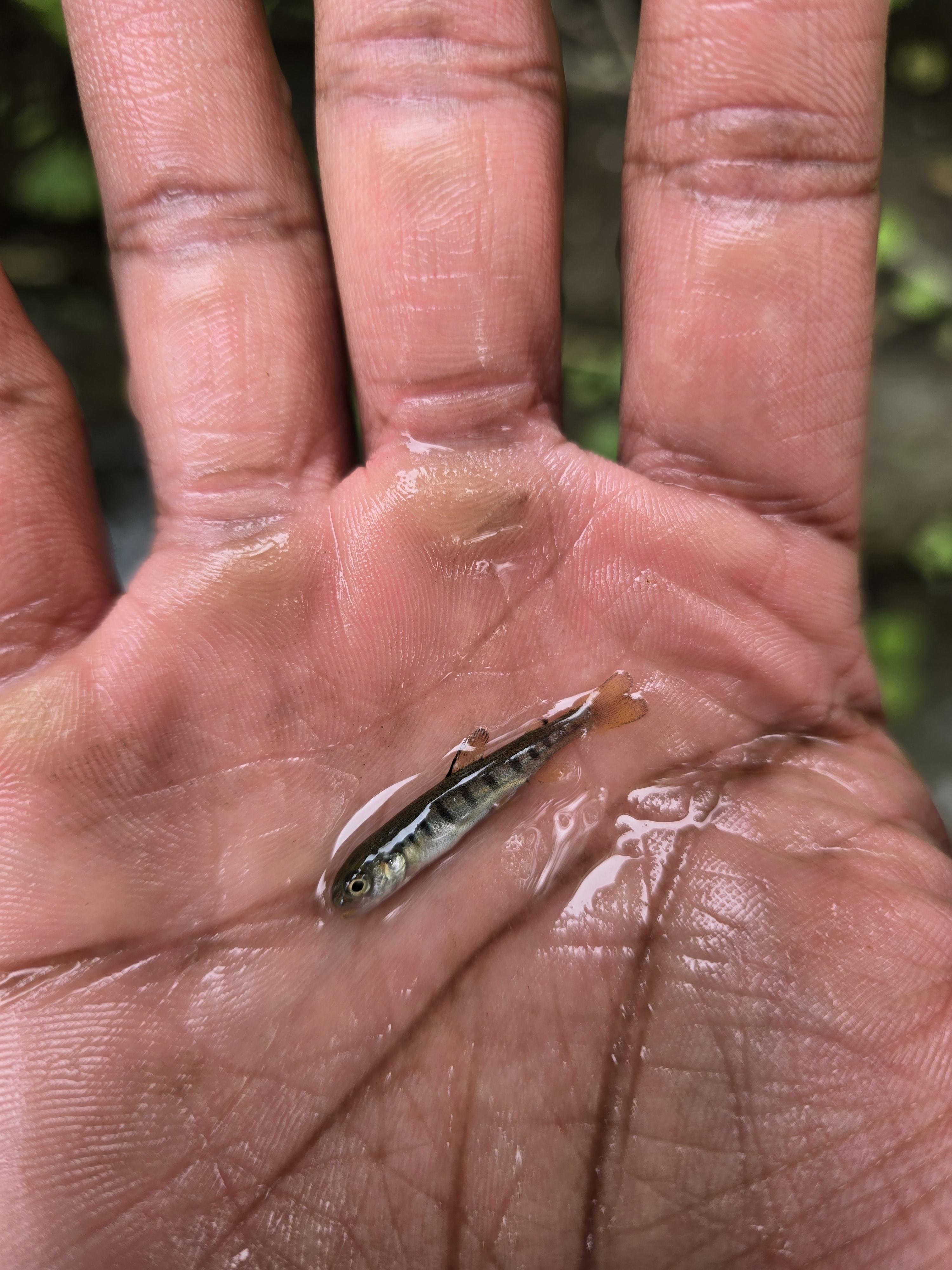
A juvenile rainbow trout caught during survey. Ajax, Ontario. Research, Education & Science. Emmanuel Thomas.
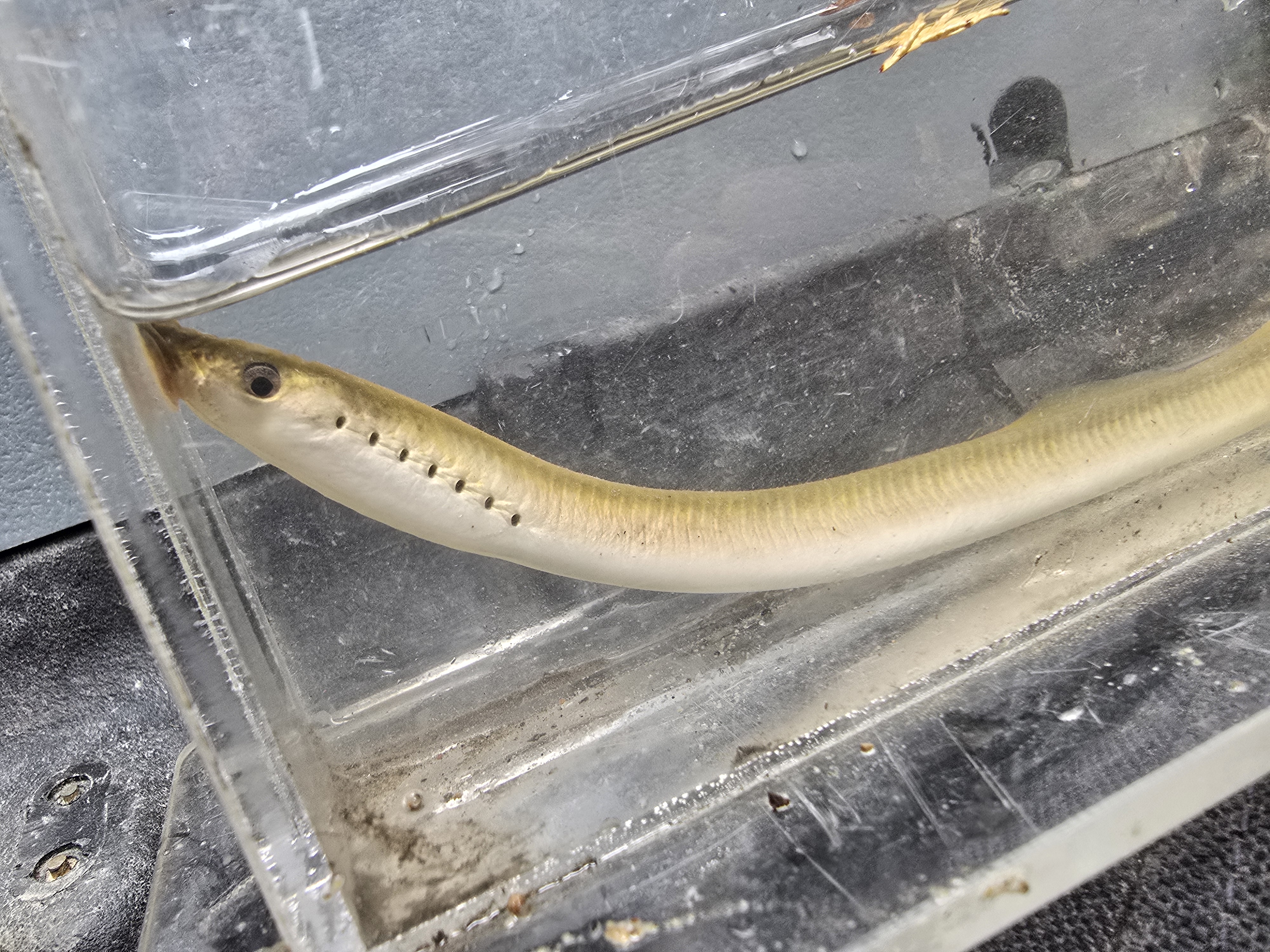
American Brook Lamprey caught during fish survey. Ajax, Ontario. Research, Education & Science. Emmanuel Thomas

Pagination

  • First page
  • Previous page
  • Page 1
  • Page 2
  • Page 3
  • Next page
  • Last page

Footer

  • Privacy Policy
  • Terms of Use and Moderation
  • Site Map
RSS feed